How to play
The rules, the hands that win, and how the cashier works.
Rules
Every cash table, free-play table, and tournament uses WSOP no-limit hold’em. You get two hole cards. Five community cards are dealt in three streets. The best five-card hand using any mix of hole cards and the board wins the pot.
A hand, street by street
- Blinds. The button moves each hand. The next player posts the small blind, the one after that the big blind. In heads-up the button posts the small blind and acts first before the flop.
- Preflop. Two cards each. Action starts left of the big blind. You can fold, call the blind, or raise.
- Flop. Three community cards. Betting starts left of the button. A check is free when nobody has bet.
- Turn and river. One card each, with a full betting round after each. One card is burned before every street.
- Showdown. If more than one player remains, the last player to bet or raise on the river shows first. Otherwise the first live player left of the button shows. A hand that cannot beat what is already shown can stay hidden.
Betting
- No limit. You may bet or raise any amount from the minimum up to your stack.
- Minimum raise. An opening bet must be at least the big blind. A raise must increase the bet by at least the size of the previous full raise.
- All-in. A short all-in that is less than a full raise does not reopen betting for players who have already acted.
- Uncalled chips. If nobody can match your bet, the extra comes back to you. It never sits in the pot.
- Side pots. When stacks differ, each all-in creates a pot that only the players who matched it can win.
- Odd chip. A split pot that does not divide evenly gives the extra chip to the first winner left of the button.
At the table
Cash games buy in from 40 to 100 big blinds. Free play sits you with a fixed 100 big blinds of house chips. Tournaments start at 10,000 chips and use a big-blind ante posted by the big blind only.
Your clock
You have 15 seconds to act. After that, a time bank of up to 30 seconds starts. If the clock runs out you check when it is free, and fold when it costs chips. Folding to a timeout sits you out of cash and free-play games until you come back.
Shortcuts
On your turn, F folds, C checks or calls, and R bets or raises the amount shown. You can keep up to six tables open. The action bar also shows the price of a call as pot odds.
What the house takes
Play-money and free-play tables take no rake. USDC cash tables, when real money is on, take 5% of the pot up to 3 big blinds, and only after a flop. If everyone folds before the flop, the pot is not raked.
Tournaments take no rake: every entry and buy-back goes into the prize pool. Fields of two to six pay two places (65% / 35%), seven to nine pay three (50% / 30% / 20%), and from ten entries about 15% of the field is paid. The payout table is fixed when late registration closes. A freeroll is funded by its sponsor.
Best hands and odds
Hands are ranked from royal flush down to high card. Kickers break ties inside a category: a pair of aces with a king beats a pair of aces with a queen. The wheel, ace through five, is the lowest straight, and the same order holds in a straight flush. There are 2,598,960 five-card hands.
| Rank | Hand | Example | About |
|---|---|---|---|
| 1 | Royal flush Ace-high straight flush 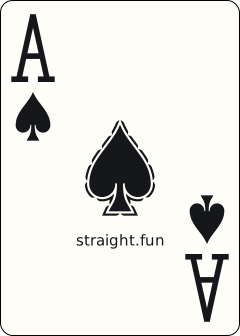 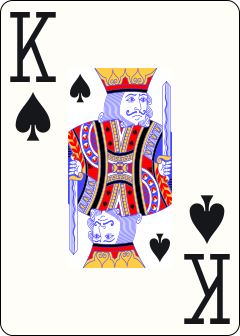 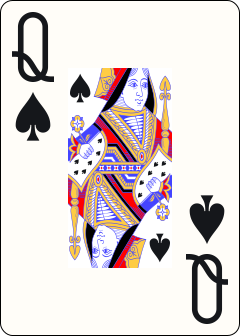 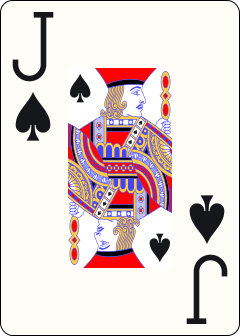 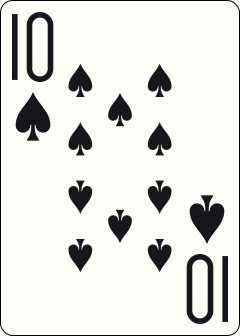 | | 1 in 649,740 |
| 2 | Straight flush Five in a row, one suit 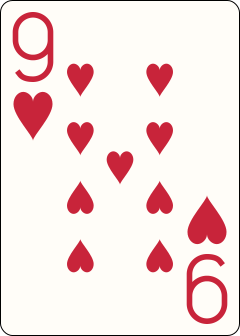 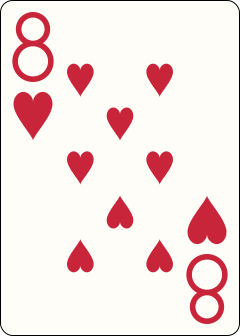 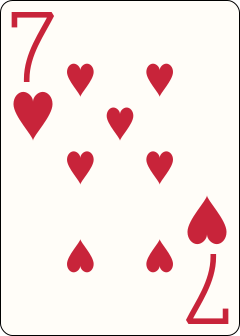 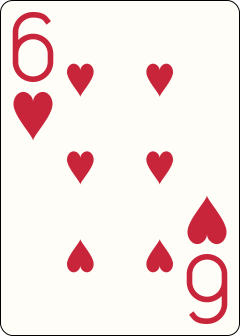 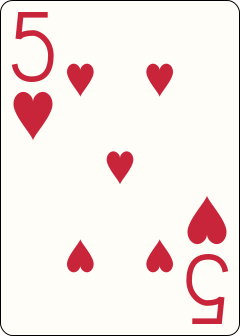 | | 1 in 72,193 |
| 3 | Four of a kind Four of one rank 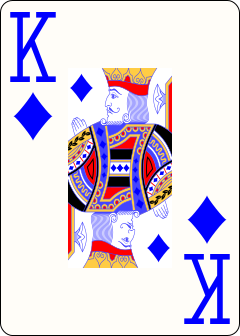 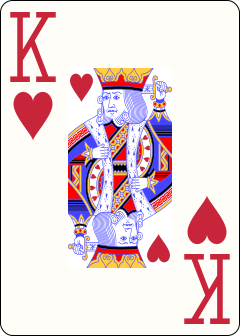 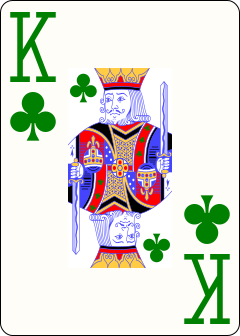 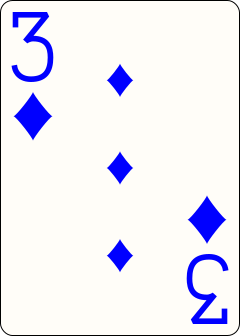 | | 1 in 4,165 |
| 4 | Full house Three of a kind plus a pair 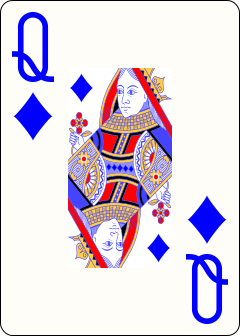 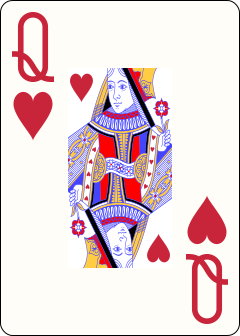 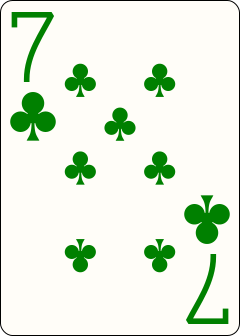 | | 1 in 694 |
| 5 | Flush Five of one suit 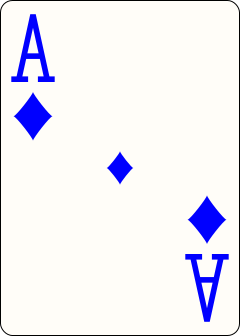 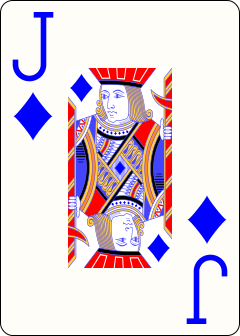 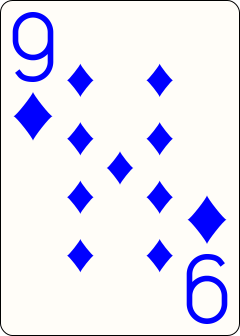 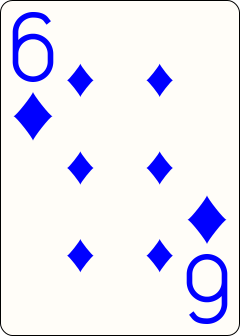 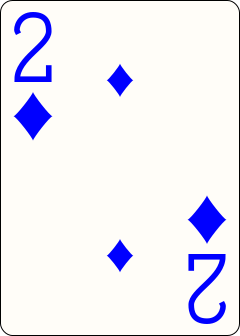 | | 1 in 509 |
| 6 | Straight Five in a row, mixed suits 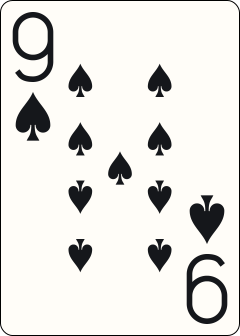 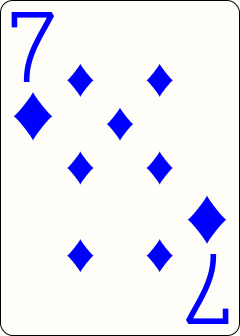 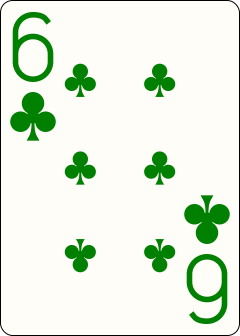 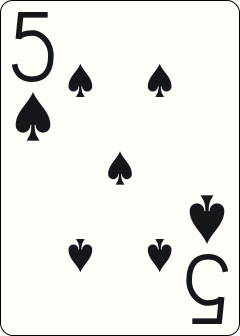 | | 1 in 255 |
| 7 | Three of a kind Three of one rank 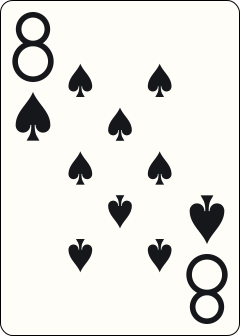 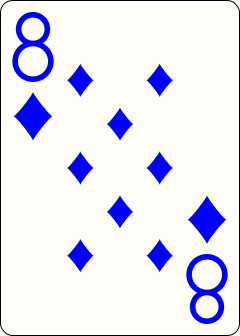 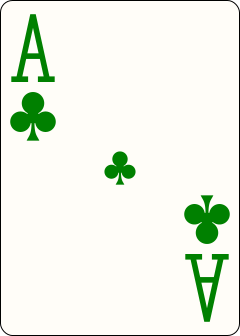 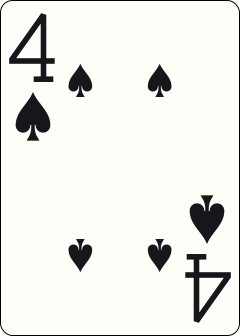 | | 1 in 47 |
| 8 | Two pair Two different pairs 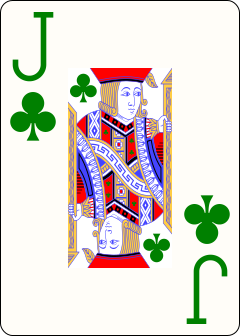 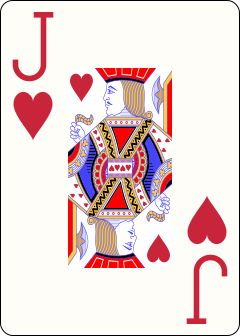 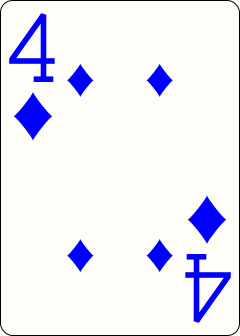 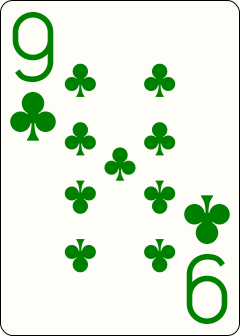 | | 1 in 21 |
| 9 | One pair Two of one rank 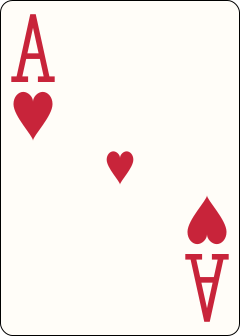 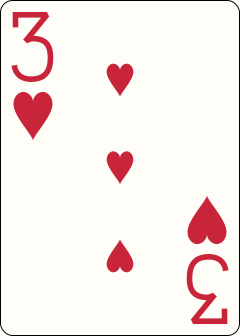 | | 1 in 2.4 |
| 10 | High card None of the above 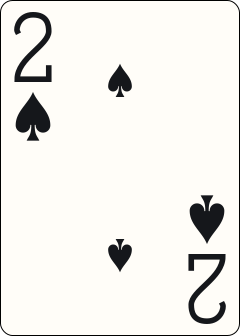 | | 1 in 2 |
Drawing odds
From the flop, with two cards left, and on the next card alone.
| Draw | Outs | Next | By river |
|---|---|---|---|
Flush draw Four to a flush, two cards still to come | 9 | 19% | 35% |
Open-ended straight Either end completes the straight | 8 | 17% | 32% |
Two overcards Both hole cards above the board | 6 | 13% | 24% |
Gutshot One rank in the middle fills the straight | 4 | 8.5% | 17% |
Pocket pair to a set A set on the flop is about 12% | 2 | 4.3% | 8.4% |
Pot odds
Pot odds are the price of a call divided by the pot after you call. A $20 call into an $80 pot is 20 / 100, or 20%. If your chance of winning is higher than that price, the call makes money over time. The action bar prints this number whenever you face a bet.
A quick estimate from the flop: multiply your outs by 4 for your chance of hitting by the river, and by 2 for the next card only. Nine flush outs is about 36% by the river. The exact figure is 35%.
Starting hands
- Pocket aces are dealt about 1 in 221 hands. Any pocket pair is about 1 in 17.
- Suited hole cards come about 1 in 4 hands. They flop a flush draw about 11% of the time and a flush about 0.8%.
- A pair against two higher cards is a coin flip when all five board cards run out: the pair wins about 55%.
Cashier
The wallet is the cashier. Play chips are free and stay inside the game. USDC, SOL and every token the lobby lists, when real money is enabled, move on Solana and sit in a segregated ledger. The Solana network fee on a deposit or a withdrawal is yours and is shown before you confirm. Every fee is listed on the Fees page.
Play chips
- 1. Open Wallet. The chip balance in the top bar is your play-money stack.
- 2. Claim free chips. With play access (invite-only for now), you can take 10,000 chips once every 24 hours.
- 3. Buy in. Sitting at a cash table moves chips from the wallet onto the table, between 40 and 100 big blinds. Auto rebuy tops you back up when you fall below the minimum.
- 4. Cash out. Leaving the table returns the stack to your wallet. Free-play tables never touch this balance.
Deposits
- Wallet shows a deposit address and a QR code once real money is on for your account.
- Send USDC on Solana, or send it from a connected wallet. It is credited after the transaction finalizes, usually within about 15 seconds. Sent from your connected wallet, the full amount is credited; sent from anywhere else, one network fee comes out of what is credited.
- The first USDC deposit also pays a one-time token-account rent from your wallet. Later deposits from your connected wallet pay Solana's base fee and the network fee for moving the deposit into custody, about 0.000016 SOL in all, in the same approval. straight.fun takes $0.
- For now, SOL you deposit stays in your SOL balance; it will be converted to USDC as it arrives once conversion is switched on. Table buy-ins use USDC or play chips.
- Deposits are turned off while you are self-excluded.
Withdrawals
- Choose a currency, enter an amount, and pick one of your saved Solana addresses. A new address can receive withdrawals 24 hours after you add it. The minimum is 2 USDC or 0.01 SOL; a token shows its own on its form.
- straight.fun takes no fee. The Solana network fee, and opening a destination USDC account if you do not have one, come out of what is sent; the review shows both and what arrives before you confirm.
- Amounts under the review threshold are approved and queued. Larger ones wait for a short review and show as pending in the wallet.
- The daily USDC limit is 5,000, with at most 3 withdrawals an hour. Activity lists every buy-in, cash-out, deposit, and withdrawal.
Real-money cashier stays off until it is enabled for the site. Until then, claim play chips and sit in cash or free-play games. The same wallet page is where deposits and withdrawals appear later.